
“He Truly Meant It”: How Jesse Jackson Made International Solidarity Personal
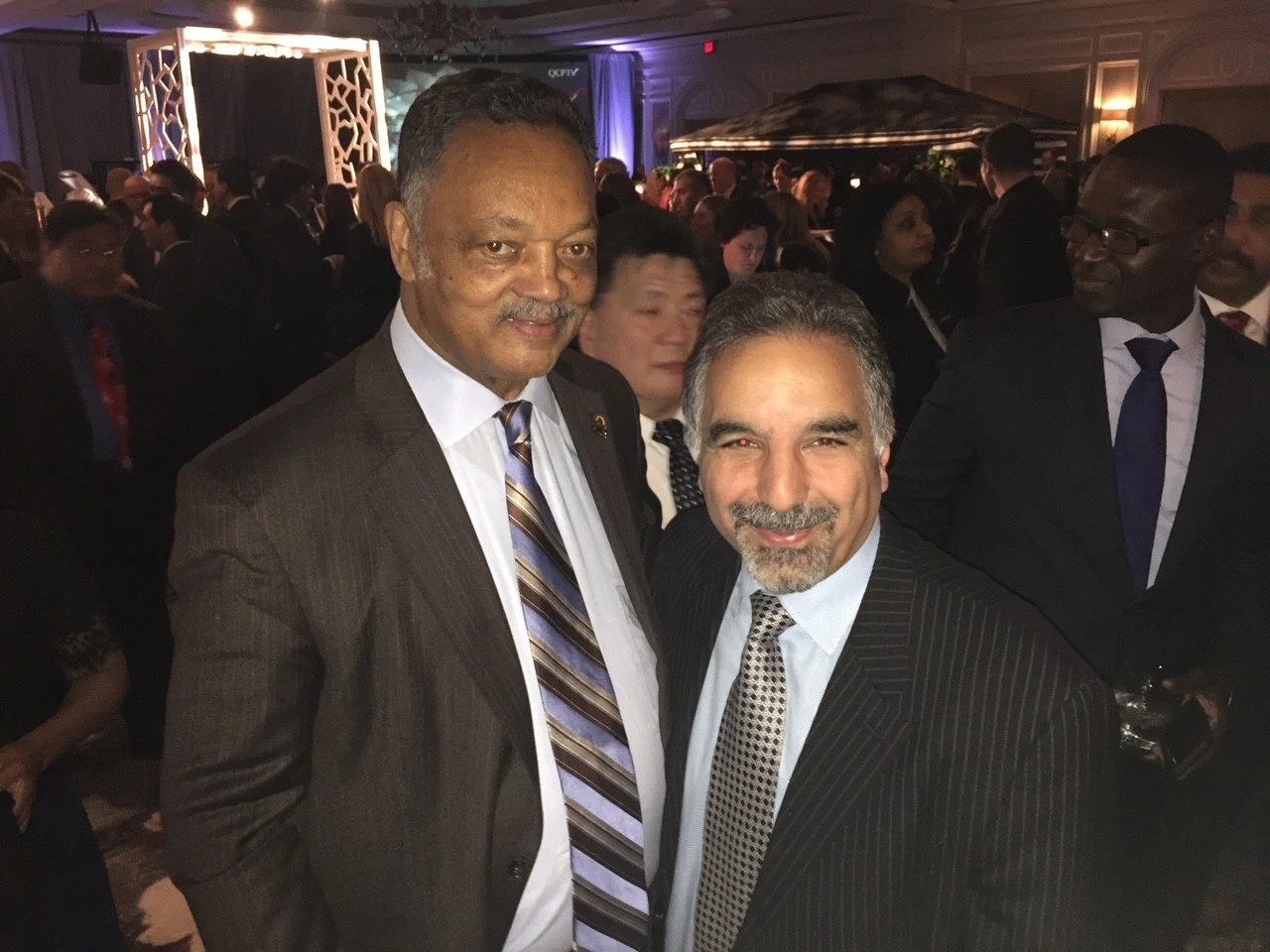
I moved to Washington, D.C. in 1984 from my small but wonderful hometown of Niagara Falls, New York, a newly minted lawyer full of energy and belief that meaningful change was possible. I had just been hired by the American‑Arab Anti‑Discrimination Committee (ADC), a young but essential civil rights organization founded by former U.S. Senator James Abourezk. At the time, that opportunity alone felt life‑changing.
What I could not have imagined was that almost immediately, I would be assigned to work on the historic presidential campaign of Rev. Jesse Jackson.
It was unexpected. It was exhilarating. And it would permanently shape how I understood politics, justice, and the power of international solidarity.
Traveling the Country with a Global Vision
Working on the 1984 Jesse Jackson campaign meant more than policy meetings and legal discussions—though those were certainly part of it. It meant traveling across the country on a somewhat rickety campaign plane with a civil rights icon who carried a message far bigger than electoral politics.
I was part of the Arab‑American team within the Rainbow Coalition, helping identify community members, organize local and national events, raise awareness, and encourage participation—votes, donations, whatever people could give. No contribution was too small. No community too marginal.
Everywhere we went, Jesse drew crowds. Sometimes they were grassroots gatherings. Sometimes private events with artists like Roberta Flack and Lionel Richie. The energy was electric because people recognized something rare: a candidate who was not merely asking for support, but offering respect.
Standing Firm When Others Backed Away
It is hard to overstate how meaningful Jesse Jackson’s outreach to Arab‑American communities was at that moment in U.S. political history. This was a time when other presidential candidates were being bullied into returning donations from Arab‑American supporters—an ugly and unprecedented form of racism in American politics.
Jesse refused to cave.
Instead, he doubled down.
The fact that he openly welcomed us was both earth‑shaking and deeply affirming. He didn’t treat our participation as a political risk; he treated it as a moral necessity. He embraced us as equal Americans and defended our constitutional rights at home—while also standing up for the rights of Palestinians under occupation abroad.
When Jesse spoke about “civil rights at home and human rights abroad,” it was not a slogan. It was a commitment he lived by, even when it came at a political cost.
Courage in the Face of Threats
Most campaign events were peaceful, but not all. I vividly remember a gathering at the home of Arab‑American DJ Casey Kasem, where Secret Service had to physically stop threatening individuals who attempted to crash the event. When they were removed, they climbed trees nearby to continue their attacks.
Even then, Jesse did not retreat. His presence itself was a form of protection—a declaration that no community should be intimidated out of the democratic process.
A Different Kind of Political Leader
Jesse Jackson was never a traditional politician. He was something far more powerful: a trusted agent of change.
He reached out personally to disenfranchised communities and told us that no matter how small or powerless we might feel on our own, together we could create a sea change. I remember one conversation about the consolidation of power and the revolving doors of Washington. Jesse smiled and said, “Former people just get more former.”
That line stayed with me. It made us believe that our generation didn’t have to wait on the sidelines—that we could participate, organize, and transform the system ourselves.
Winning Something Bigger Than an Election
Jesse Jackson may not have won the presidency, but he won something far more enduring: the respect, loyalty, and admiration of people who saw themselves reflected in his call for universal peace and justice.
By opening the doors of his campaign to our community, he made history—and he challenged himself to live up to the values he preached. He practiced what he preached, and in doing so, he changed lives. Mine included.
His legacy is not just political. It is personal. It is international. And it is enduring.
I was fortunate to be there—to hear him, to work beside him, and to witness firsthand what principled leadership looks like.
May his memory be eternal.
And may we honor his legacy by continuing his crusade—and always striving to keep hope alive.
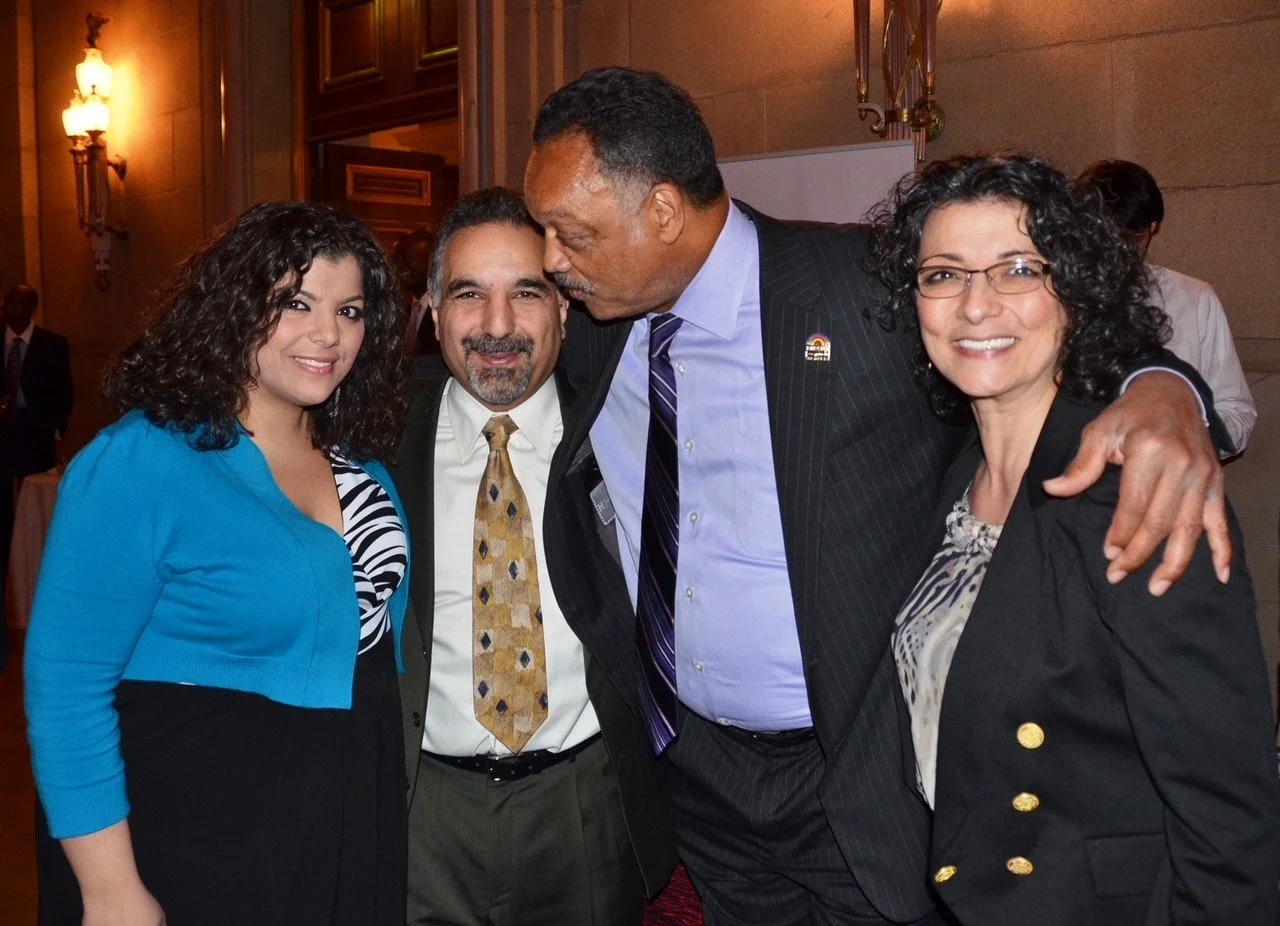
About the Author
Mr. Mokhiber is a Washington, D.C.–based attorney and partner at Mokhiber & Moretti, LLC, where he represents individual and corporate clients in administrative, corporate, international, and immigration law. A former national president of the American-Arab Anti-Discrimination Committee (ADC), he has advocated on civil and human rights issues in the U.S. and abroad.
Earlier in his career, he represented ADC before the U.S. Supreme Court in St. Francis College v. Al-Khazraji, securing full Civil Rights Act protections for Arab-Americans. Under his leadership, ADC also helped obtain Temporary Protected Status for numerous nationalities and supported Deferred Enforced Departure for Palestinians in 2024.
Mr. Mokhiber has served in various civic and professional roles, including outreach during Jesse Jackson’s first presidential campaign, leadership within the American Immigration Lawyers Association, and participation in international election observation. He currently serves on the Citizen Advisory Board of WHUT Television at Howard University.