
Washington, DC: A Living Archive — Told Neighborhood by Neighborhood
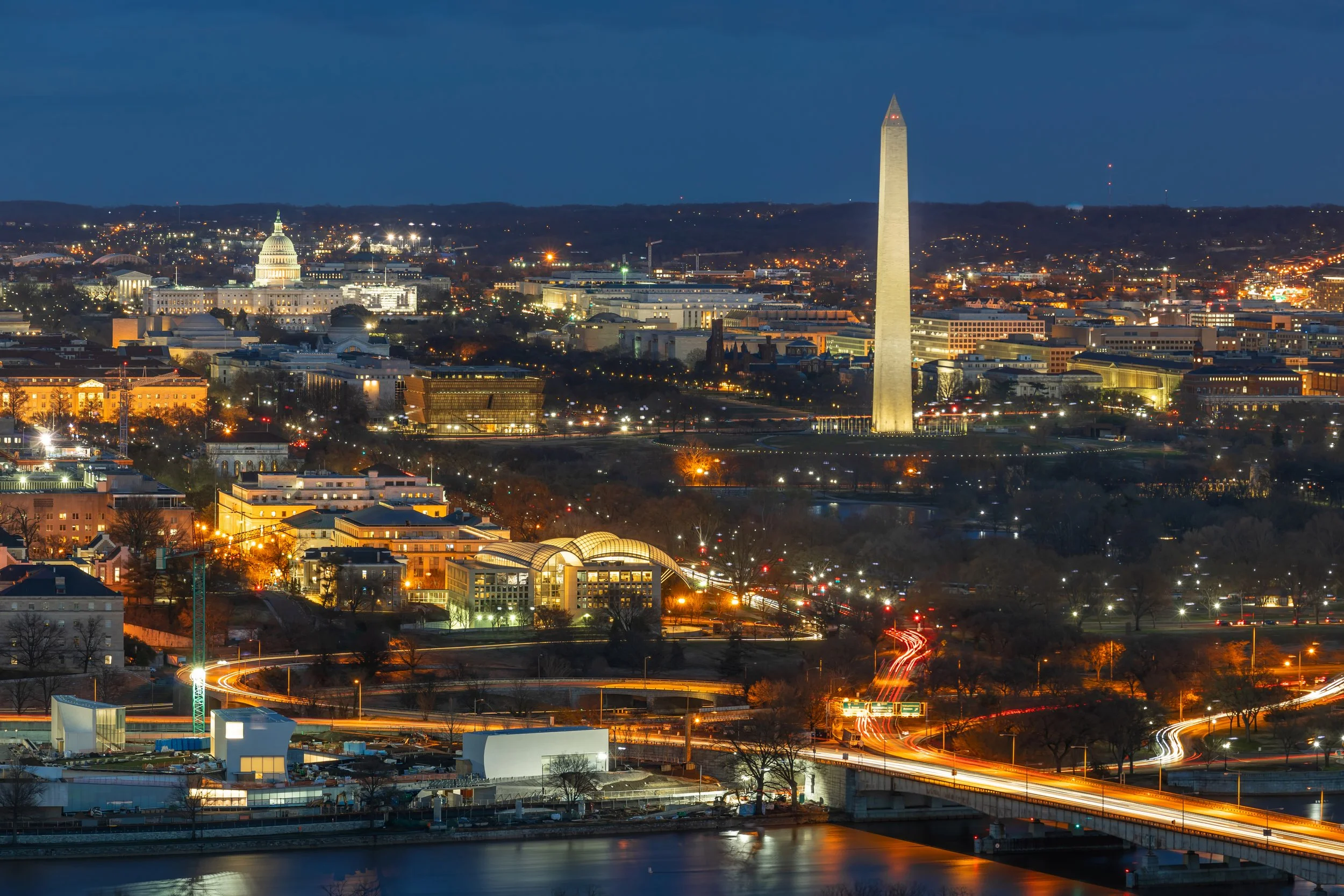
What makes DC’s history different from other cities? It’s not just carved in marble monuments or stored in official records. It’s alive — carried in voices, rituals, and everyday spaces where people gather to talk, teach, argue, celebrate, and heal.
This blog honors DC as a living archive, shaped by oral traditions and community institutions that keep history moving forward in real time. On 202 Day February 2nd 2026, we celebrate the neighborhoods that make DC a city of memory and momentum.
Anacostia: Memory as Resistance
Anacostia has long been a keeper of Black history and cultural resilience. Churches here doubled as organizing hubs during civil rights struggles. Schools nurtured leaders who would shape national policy. Family stories passed down across generations remind us that preservation is not passive — it’s active and protective.
Historic Landmark:
Frederick Douglass National Historic Site — The home of abolitionist Frederick Douglass, a cornerstone of Black intellectual and civic leadership.
Living Archive Spaces:
Churches
Historic homes
Community radio voices
Neighborhood elders
Shaw: Where Ideas Gather
Shaw has always been a neighborhood of thinkers, artists, and organizers. Its legacy thrives in stoop conversations, cultural centers, and meeting halls that centered Black intellect long before it was celebrated nationally.
Historic Landmark:
Howard Theatre — Opened in 1910, it became a stage for legends like Duke Ellington and Ella Fitzgerald, anchoring Shaw’s cultural identity.
Living Archive Spaces:
Schools
Cultural centers
Performance spaces
Block conversations
U Street: Sound as History
The U Street Corridor carries DC’s musical memory. Jazz, go-go, and spoken word didn’t just entertain — they documented life, politics, joy, and grief in real time. Music here functions as oral history set to rhythm. You don’t read it. You feel it.
Historic Landmark:
Lincoln Theatre — A historic venue that hosted jazz greats and remains a symbol of U Street’s vibrant cultural legacy.
Living Archive Spaces:
Music venues
Clubs
Street performances
Local radio
Petworth: Family, Faith, and Continuity
Petworth is where history moves through family networks and faith communities. Generational memory shows up in school events, church anniversaries, and neighborhood gatherings where stories become legacy.
Historic Landmark:
Roosevelt High School — A historic educational institution that has served generations of DC families.
Living Archive Spaces:
Churches
Schools
Recreation centers
Living rooms
Barry Farm: Legacy in Transition
Barry Farm reminds us that archives can be threatened. As redevelopment reshapes landscapes, the stories carried by longtime residents become even more essential. Here, memory is preservation — recording voices is an act of protection.
Historic Landmark:
Barry Farm Dwellings — Built after the Civil War for freed African Americans, this site represents resilience and community-building.
Living Archive Spaces:
Public housing communities
Resident-led storytelling
Grassroots documentation
The Role of Informal Storytelling Spaces
When we think of archives, we often picture libraries or museums. But in DC, some of the most powerful archives are informal — spaces where memory is spoken, sung, and shared in real time. These places don’t just preserve history; they activate it.
Barbershops: Hubs of dialogue and debate where politics meets humor and generational wisdom flows freely.
Churches: Faith communities transmit values and historical memory through sermons, music, and ritual.
Local Radio: Stations like WHUR amplify voices that reflect the city back to itself — broadcasting jazz, go-go, and community news.
Schools & Community Centers: Teachers incorporate oral history projects, turning informal narratives into educational tools.
Street Corners & Stoops: Conversations at block parties and neighborhood gatherings shape collective identity and community cohesion.
“These spaces don’t just hold memory — they activate it. They remind us that history is not static; it’s spoken, sung, and lived.”
Why This Matters Now
DC’s history is not finished. It unfolds daily. By honoring neighborhoods as living archives, WHUT affirms that community memory matters — and that storytelling is a form of stewardship.
Call to Action
📺 Watch WHUT programming that amplifies local voices and cultural memory.
💬 Join the conversation: Share your neighborhood story using #WHUTCommunity.
🔗 Explore the full schedules and streaming options.
About the Author:
This post was crafted by the WHUT Digital Editorial Team, committed to amplifying stories that matter to the DMV and beyond.