
Women's Equality Day: Celebrating the Women Who Changed America and the Work Still Ahead
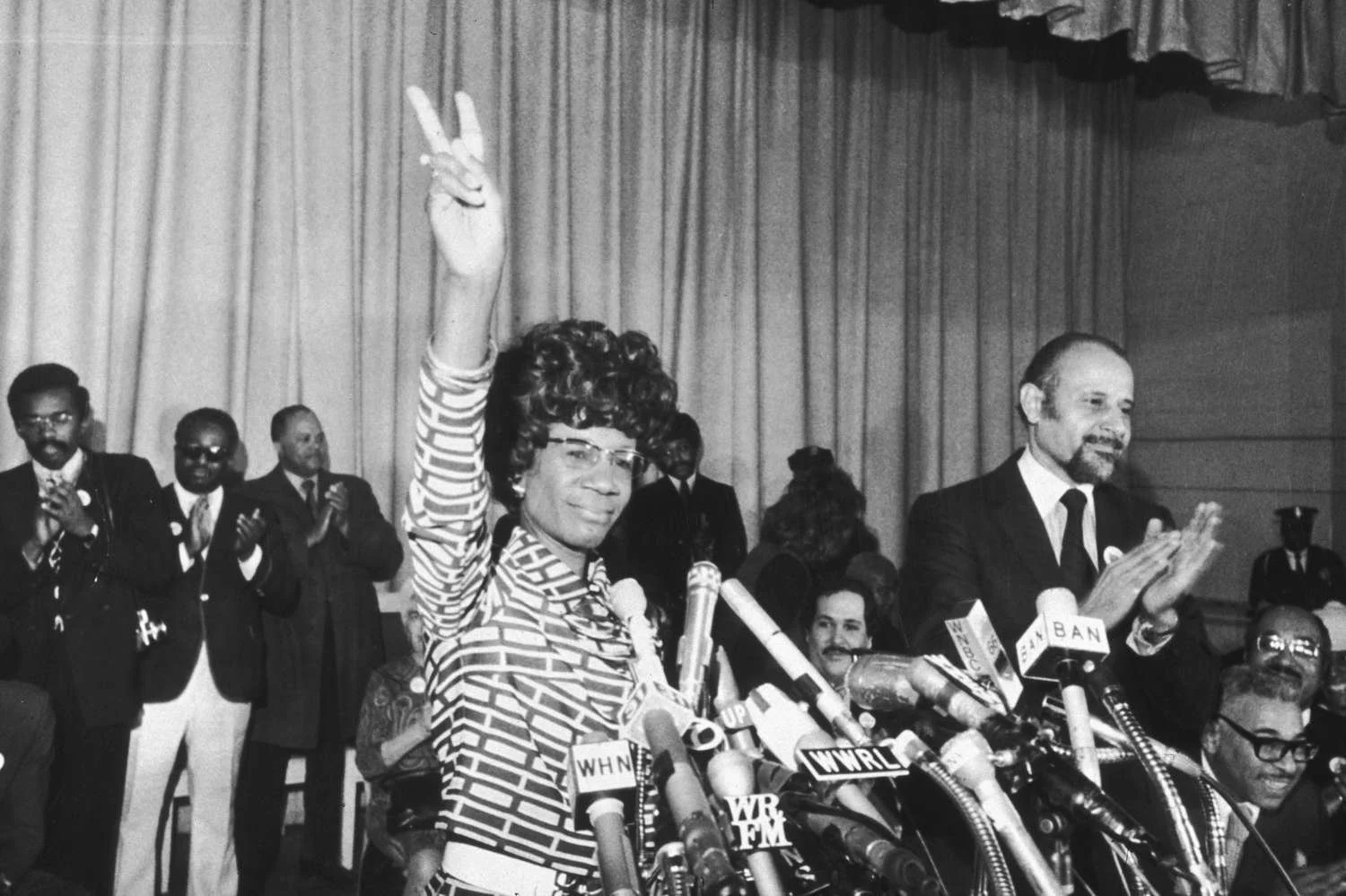
Shirley Chisholm
Honoring August 26 Through History, Advocacy, and Community Impact
Every year on August 26, Americans observe Women's Equality Day, commemorating the certification of the 19th Amendment in 1920, which granted many women the right to vote after decades of activism and advocacy.
The day serves as both a celebration and a reminder. While significant progress has been made in expanding opportunities and protecting rights, the pursuit of equality continues across education, employment, healthcare, entrepreneurship, and civic leadership.
As we reflect on Women's Equality Day, it's important to honor the women whose courage transformed history and recognize the organizations continuing that work today.
A Brief Timeline of Women's Equality in America
1848: The Seneca Falls Convention
Widely recognized as the beginning of the organized women's rights movement in the United States, the convention produced the historic Declaration of Sentiments, calling for equal rights and opportunities for women.
1920: The 19th Amendment
On August 26, 1920, the 19th Amendment officially became law, prohibiting states from denying the right to vote based on sex.
1963: Equal Pay Act
The Equal Pay Act was signed into law, prohibiting wage discrimination based on sex for employees performing substantially equal work.
1964: Civil Rights Act
Title VII of the Civil Rights Act prohibited employment discrimination on the basis of race, color, religion, sex, or national origin.
1972: Title IX
Title IX transformed educational opportunities by prohibiting sex-based discrimination in federally funded education programs, opening doors in athletics, academics, and leadership.
1973: Women's Equality Day Becomes Official
Congress designated August 26 as Women's Equality Day through a resolution introduced by Congresswoman Bella Abzug.
1994: Violence Against Women Act (VAWA)
This landmark legislation strengthened protections and resources for survivors of domestic violence and assault.
Today
Women continue to advance in business, politics, science, technology, media, education, and community leadership while advocating for equal opportunities and representation.
Women Who Helped Shape History
Sojourner Truth
A powerful advocate for abolition and women's rights, Sojourner Truth challenged society to recognize the rights and humanity of Black women.
Ida B. Wells
Journalist, educator, and civil rights advocate, Ida B. Wells used investigative reporting to expose injustice while championing voting rights and equality.
Mary McLeod Bethune
An educator and advisor to presidents, Bethune founded institutions that expanded access to education and opportunity for African Americans.
Shirley Chisholm
In 1968, Shirley Chisholm became the first Black woman elected to Congress. Four years later, she became the first Black woman to seek a major party's presidential nomination.
Pauli Murray
A lawyer, activist, scholar, and Episcopal priest, Pauli Murray's legal writings helped influence both the civil rights and gender equality movements.
Barbara Jordan
A trailblazing attorney and politician, Barbara Jordan became the first Black woman elected to the Texas Senate and one of the most respected voices in American political history.
Women Building Equity Today
Women's equality is not just a historical conversation. Across the country, women continue to lead businesses, nonprofits, community organizations, and advocacy efforts that improve lives and expand opportunity.
One organization making a lasting impact is the National Council of Negro Women (NCNW).
Founded in 1935 by Mary McLeod Bethune, NCNW advances the lives of African American women, their families, and communities through advocacy, leadership development, education, civic engagement, and economic empowerment.
For generations, the organization has served as a powerful force for change, bringing together women committed to strengthening communities and creating opportunities for future generations.
Continuing the Legacy: Lessons for Today's Leaders
Women's Equality Day is not only about recognizing historic milestones. It's also an opportunity to consider how leadership, advocacy, and civic engagement continue to shape our communities.
One woman whose impact continues to resonate generations later is Barbara Jordan. A lawyer, educator, orator, and public servant, Jordan became the first Black woman elected to the Texas Senate and later the first Black woman from the South elected to the U.S. House of Representatives. Her commitment to justice, public service, and democratic values made her one of the most influential political voices of the 20th century.
WHUT's original programming explores her enduring influence through a companion program to The Inquisitor, bringing together students, educators, and community members to reflect on her life and legacy.
The program features a film screening, fireside conversation, and interactive discussion examining Jordan's impact on politics, civil rights, journalism, and law while encouraging participants to consider what leadership looks like for a new generation of changemakers.
Watch the program:
Organizations such as the National Council of Negro Women (NCNW) continue advancing opportunities for African American women, families, and communities through advocacy, leadership development, education, and civic engagement.
WHUT's original content also highlights the organization's ongoing work to empower future generations and strengthen communities across the country.
Watch the NCNW feature:
Together, these stories remind us that progress is built by individuals and organizations willing to invest in the future, challenge barriers, and create pathways for others to succeed.
Why Women's Equality Day Matters
Women's Equality Day is about more than commemorating a historic vote. It is an opportunity to reflect on the progress made through generations of advocacy and to recognize the work still needed to ensure opportunity, representation, and access for all women.
From voting rights and workplace protections to leadership opportunities and economic advancement, each generation has helped expand the possibilities available to the next.
The stories of women who challenged barriers, led movements, built institutions, and strengthened communities remind us that meaningful change often begins with a single voice willing to speak up and take action.
Honoring the Past, Investing in the Future
The history of women's equality is filled with individuals who refused to accept limitations and instead worked to create a more just and equitable society. Their legacy can be seen today in classrooms, boardrooms, businesses, nonprofits, government offices, and community organizations across the country.
As we celebrate Women's Equality Day, let us honor those who paved the way while supporting the leaders, advocates, entrepreneurs, and organizations continuing the work today.
The stories of pioneers like Barbara Jordan, Shirley Chisholm, and Mary McLeod Bethune, along with organizations such as NCNW, remind us that progress requires participation. Whether through public service, community advocacy, education, or mentorship, every generation has an opportunity to expand what is possible for the next.
Watch stories that celebrate leadership, advocacy, and community impact on WHUT and at
Explore Barbara Jordan's legacy: Watch the program
Learn more about NCNW's community impact: Watch the feature
Follow WHUT on social media for programming highlights, community stories, and cultural celebrations.
Support WHUT's mission to educate, inspire, and amplify the voices that shape our communities.