
Tips to Uncover DC’s African American Music Legacy with Your Family
For African American Music Appreciation Month, I’m challenging you to create your own list of places throughout the Washington, DC metro area that connect to the rich legacy of African American music. Whether you plan lunch at your favorite music-themed park, explore a museum exhibit or visit a historic performance venue, each space holds stories that helped shape our nation’s cultural landscape. From jazz and go-go to gospel, classical music, and hip-hop, these places offer opportunities for families to discover artists, movements, and communities behind the music. Use the list below as a starting point, then continue your exploration through your local library, community archives, or a little online research into African American singers, songwriters, musicians, dancers, and other cultural trailblazers.
How many of these music-themed landmarks have you visited and which one will you explore first?
About This Guide
Sarah Acors is your DMV Kid-friendly Weekend Curator! She’s a DC Native, local parent and the founder of 4DMV Kids, a family-focused platform that helps parents discover kid-friendly, educational, and culturally rich experiences across Washington, DC, Maryland, and Northern Virginia. This piece explores historic venues, museums, exhibits, and parks where families can discover the rich legacy of African American music history.
Museums & Exhibits that Celebrate African American Music & Culture
(1920 Martin Luther King Jr. Ave. SE, Washington, DC 20020)
Did you know that go-go is the official music of Washington, DC? Popularized by the "Godfather of Go-Go," Chuck Brown, this uniquely DC sound emerged in the 1970s and continues to shape the city's cultural identity today. The Go-Go Museum & Cafe is free to visit and explores the history, evolution, and impact of go-go music through exhibits, artifacts, and stories from the artists who helped define the genre.
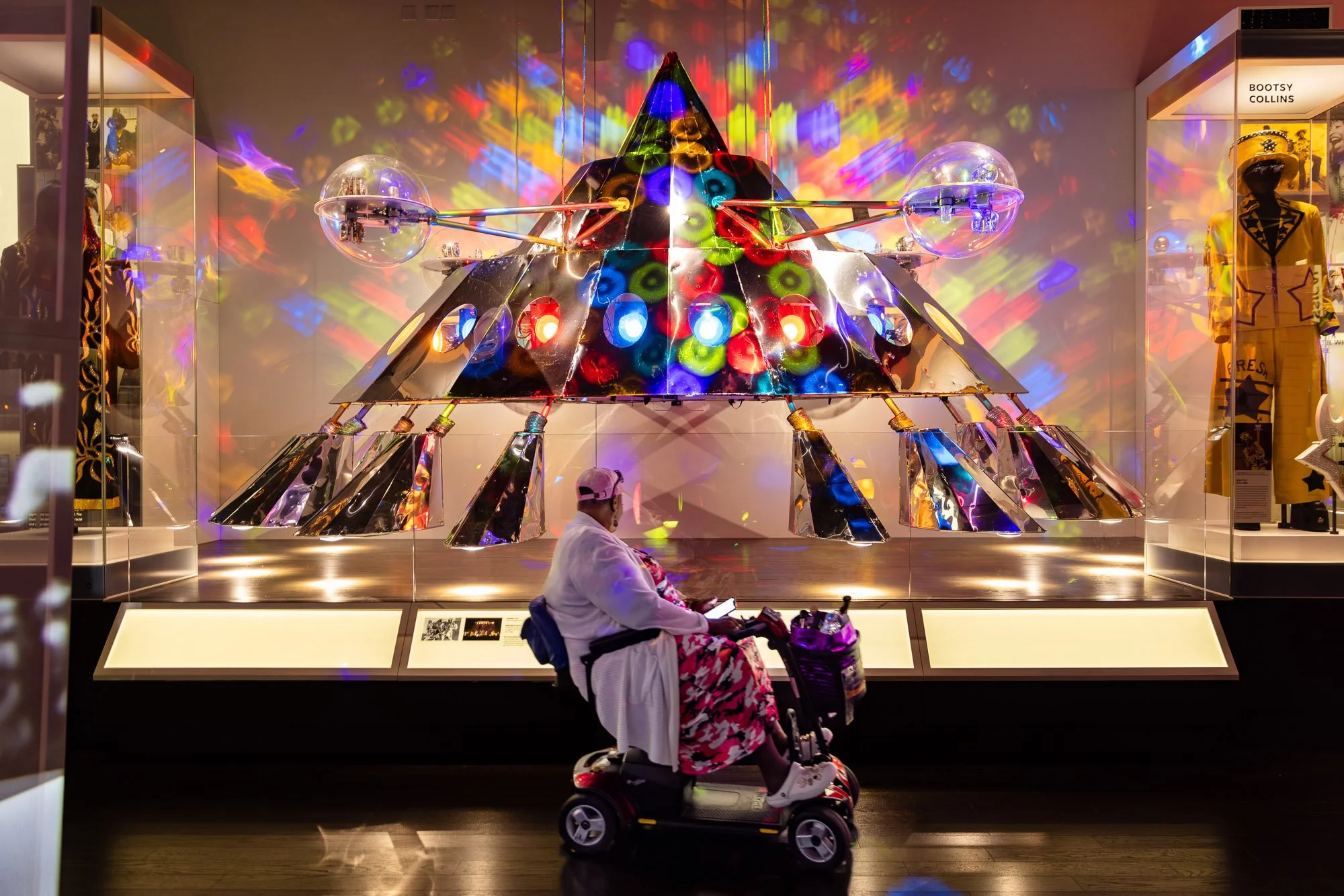
"Musical Crossroads" at the National Museum of African American History and Culture
(1400 Constitution Ave. NW, Washington, DC 20560) Ongoing exhibit
Head to the fourth floor of the National Museum of African American History and Culture to explore "Musical Crossroads," an exhibition that traces the profound influence of African American music on American culture. Along the way, you'll encounter legendary artists such as Jimi Hendrix, Lena Horne, Marian Anderson, and many others whose contributions continue to inspire generations. Before your visit, be sure to check out our guide to visiting the museum for family-friendly tips and recommendations.
"¡Puro Ritmo! The Musical Journey of Salsa" at the National Museum of American History
(1300 Constitution Ave. NW, Washington, DC 20560) In-person exhibit on view through 2028
Discover how salsa music grew from Afro-Cuban musical traditions into a global cultural phenomenon. Through instruments, photographs, recordings, and personal stories, "¡Puro Ritmo! The Musical Journey of Salsa" explores the artists and communities that helped shape the genre and its lasting influence on American music and culture.
Explore DC’s Music History Through Historic Landmarks
The Howard Theater
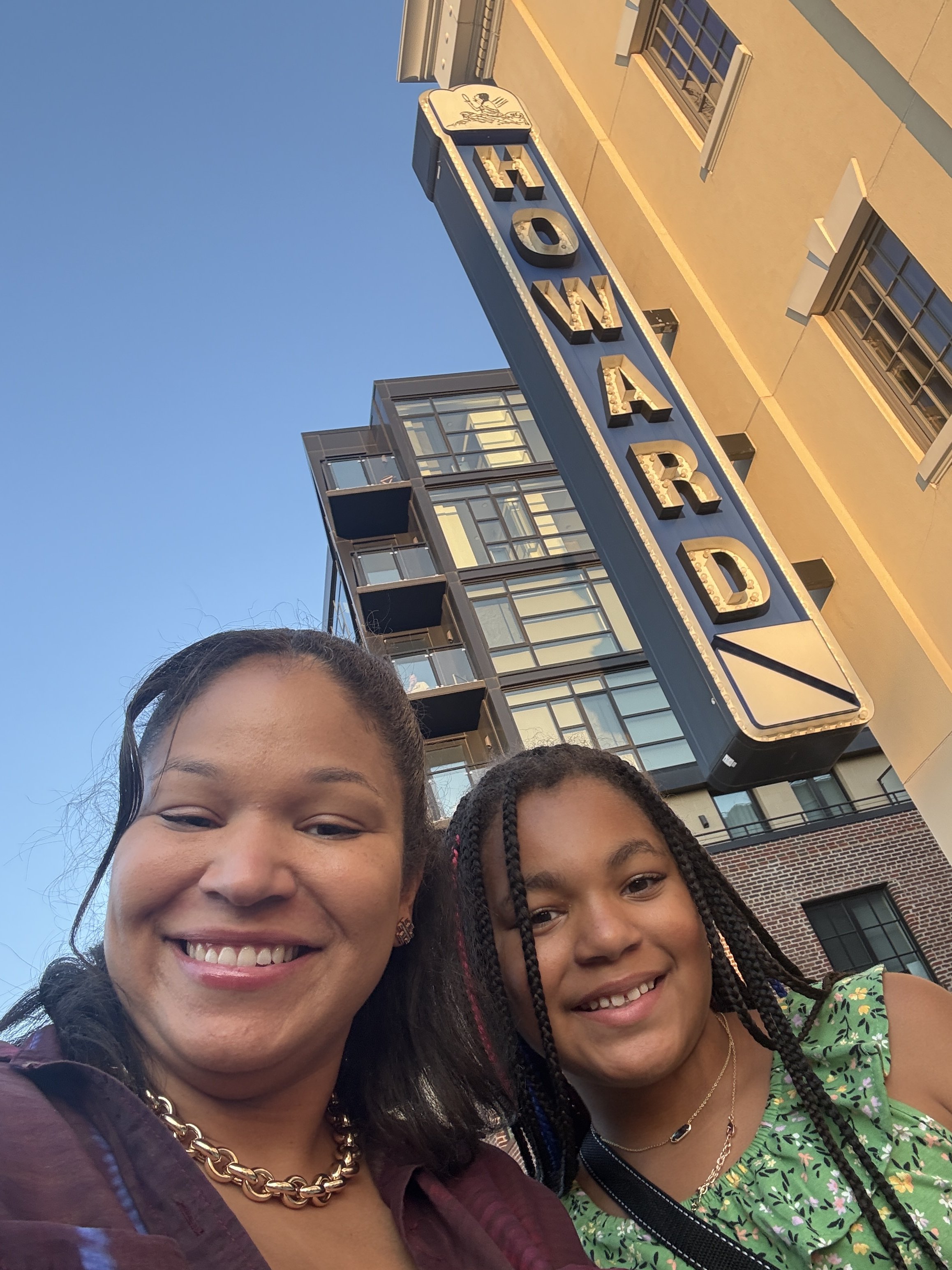
(620 T St NW, Washington, DC 20001)
Known as the nation's oldest theater devoted to African American performing arts, the Howard Theatre served as a cultural cornerstone during the Harlem Renaissance and beyond. Its stage welcomed legendary artists such as Duke Ellington, Ella Fitzgerald, Billie Holiday, Louis Armstrong, James Brown, and The Supremes, many of whom performed here early in their careers.
It reopened in 2012, preserving an important piece of Washington, DC's cultural history. Today, visitors can attend concerts and special events while experiencing a venue that helped launch some of the most influential artists of the twentieth century. Before your visit, challenge your family to research one performer connected to the Howard Theatre and discover how their music continues to influence artists today.
Did You Know?
In 1939, world-renowned opera singer Marian Anderson was denied the opportunity to perform at Constitution Hall because of the venue's segregation policies. With support from the NAACP and others, Anderson instead performed on the steps of the Lincoln Memorial on Easter Sunday, April 9, 1939. An estimated 75,000 people attended the open-air concert, which became a defining moment in both American music history and the early Civil Rights Movement.
(1215 U St. NW, Washington, DC 20009)
A visit to the Lincoln Theatre offers an opportunity to explore the heart of Washington, DC's historic "Black Broadway." During the early and mid-twentieth century, the U Street corridor was a thriving center of African American arts and culture, attracting legendary performers such as Duke Ellington, Nat King Cole, and Lena Horne. The energy of the neighborhood inspired Langston Hughes to write Lincoln Theatre, a poem reflecting the sights and sounds of the era.
As you walk along U Street today, imagine what the neighborhood sounded like during the Black Broadway era. What types of music do you think filled the streets, clubs, and theaters?
Parks & Outdoor Spaces Inspired by DC Music Legends
Chuck Brown Memorial Park
(20th &, Franklin St NE, Washington, DC 20018)
Chuck Brown Memorial Park opened in 2014 as part of Langdon Park Community Center. This park features a memorial wall and sculpture honoring the “Godfather of Go-Go, while interactive elements encourage visitors to participate in the call-and-response style that helped define the genre. Pair a visit to the park with a stop at the Go-Go museum & Cafe for a deeper dive into DC’s official music.
Marvin Gaye Park
(5200 Foote St NE, Washington, DC 20019)
Named after legendary singer-songwriter Marvin Gaye, this community-centered park is a great place to enjoy an outdoor lunch or afternoon of play. The playground, community garden, gathering spaces, and spray area in the summertime make this park a true gem. Keep an eye out for the Marvin Gaye mosaic and other features that celebrate his life, music and lasting impact on American culture.
Keep the Learning Going at Home
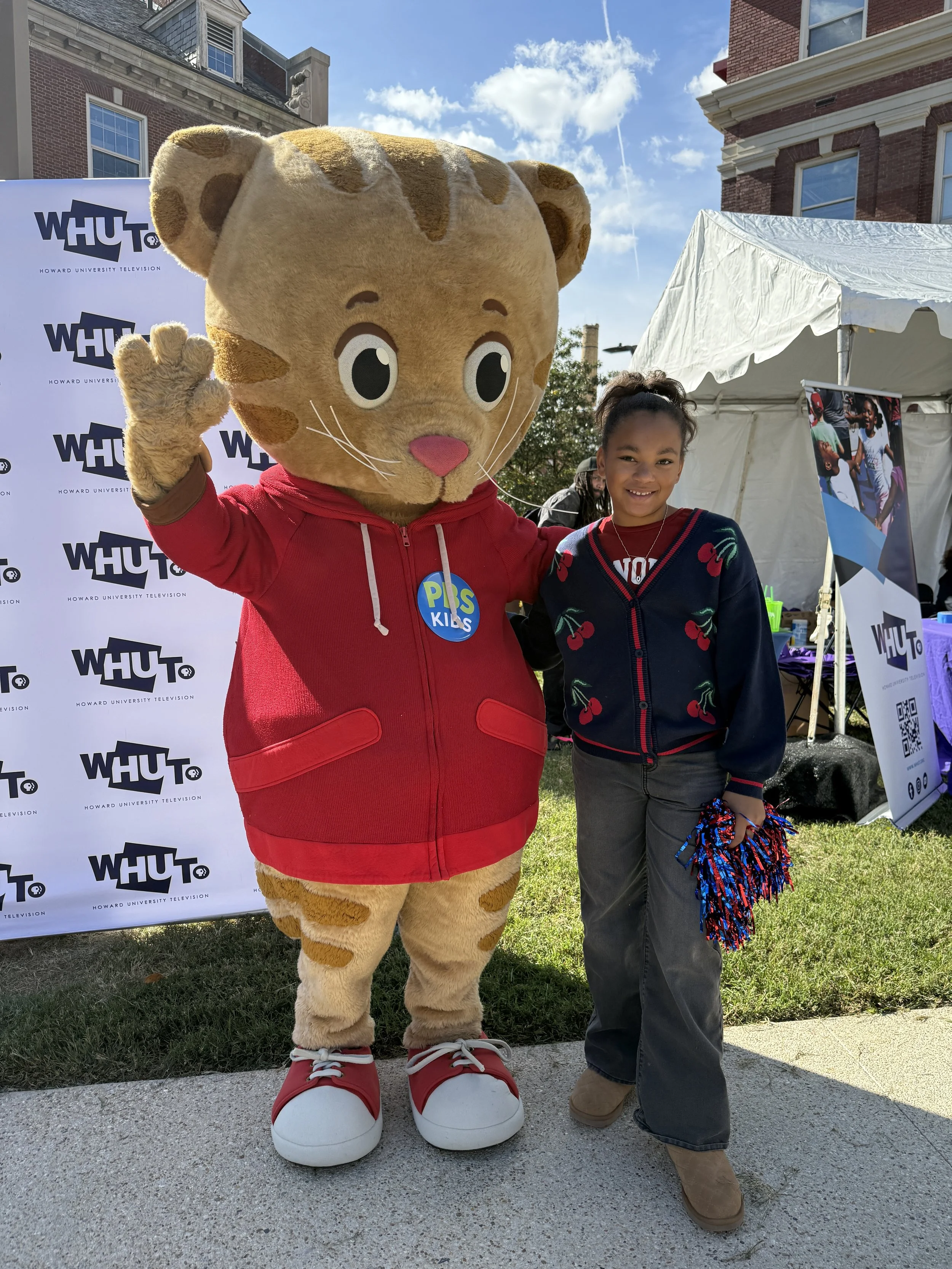
When I think of African American Music Appreciation Month and PBS KIDS, the first character that comes to mind is Daniel Tiger’s Music Man Stan! Through songs, instruments, and playful exploration, Music Man Stan encourages children to stay curious about music while having fun along the way.
Watch: Music Man Stan Visits Schoolto see how Daniel and friends use music during storytime and learn calming techniques through song.
Make: D.C. Go-Go Rhythms at Homeand introduce your child to Washington, DC’s official music while creating your own beats together.
Learn: Celebrating Black History & Culture through the Artsfeatures videos and learning resources that explore influential African American performers, artists, and cultural movements that helped shape American history.
For even more ways to explore D.C. arts and culture, visit 4DMV Kids for curated lists of local events and family-friendly activities, and continue exploring educational resources and stories with WHUT to keep the learning going all month long and beyond.
Source: ABC 7 News, Smithsonian’s Anacostia Community Museum, National Park Service, Smithsonian’s Museum of African American History & Culture, DC’s Department of General Services, DC’s Office of the Deputy Mayor of Planning and Economic Development